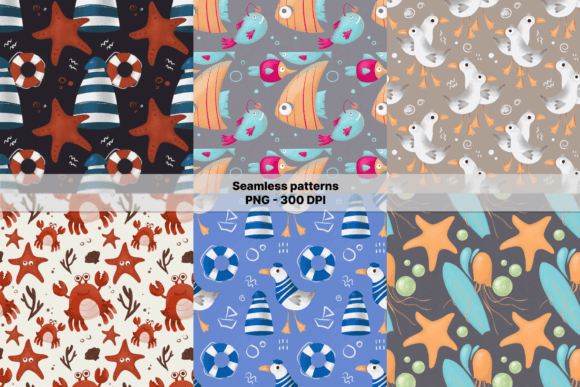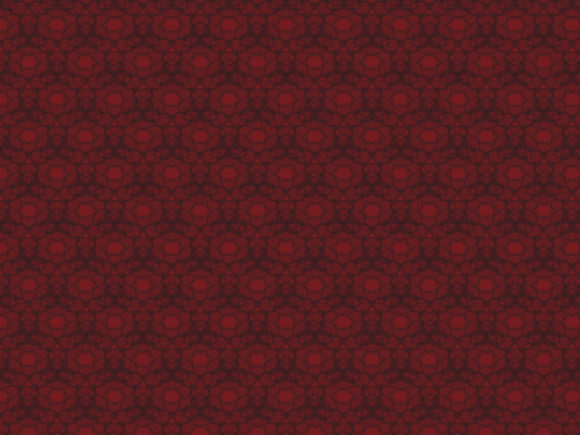
Background Patterns for Graphic Designers: High-Resolution, Versatile Assets for Wallpaper, Packaging, Labels, Posters & Scrapbooking
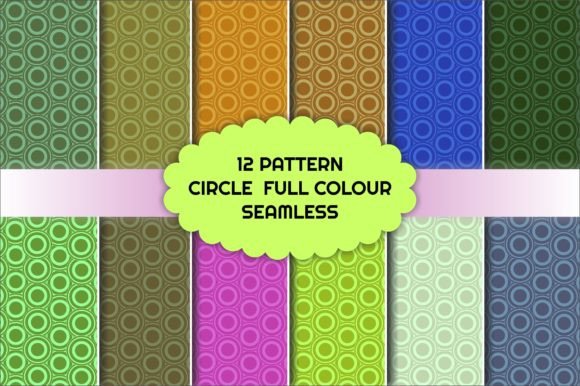
Background patterns are far more than decorative fillers—they’re foundational graphic design elements that shape perception, reinforce brand identity, and elevate visual communication across countless applications. For professional designers and creative enthusiasts alike, high-quality, scalable background patterns serve as indispensable tools in modern design workflows. One standout resource gaining traction among industry professionals is the 18,000 × 18,000 px, 300 ppi background pattern collection—engineered specifically for demanding print and digital uses including wallpaper, package design, label design, poster design, and scrapbooking.
What Are Background Patterns—and Why Do They Matter?
A background pattern is a repeating or non-repeating arrangement of shapes, lines, textures, or abstract forms designed to cover a surface cohesively. Unlike standalone illustrations or photographs, patterns function as surfaces: they provide rhythm, depth, and context without competing for focal attention. In graphic design, they act as silent collaborators—supporting typography, framing products, guiding the eye, and reinforcing mood or message.
For example, a subtle geometric grid might lend precision and professionalism to a tech brand’s packaging, while an organic watercolor texture could evoke warmth and authenticity on a craft beverage label. The right pattern doesn’t just “look nice”—it communicates intention, enhances usability, and strengthens recognition.
Why Size and Resolution Matter: The Power of 18,000 × 18,000 px at 300 PPI
Many free or low-cost pattern assets max out at 2,000–5,000 pixels wide—sufficient for web banners or social media posts, but inadequate for large-format printing. That’s where the 18,000 × 18,000 px, 300 ppi specification becomes transformative.
- Scalability without compromise: At nearly 6 feet square at 300 ppi, this resolution ensures razor-sharp clarity whether printed on a 24" × 36" poster or a 10-foot retail wall mural.
- Flexibility across mediums: The same file works seamlessly for luxury product labels (where fine detail matters), textile surface design (requiring seamless tileability), and high-end wallpaper production (demanding flawless repetition over expansive walls).
- Future-proof editing: Designers can crop, zoom, recolor, or isolate elements—like individual abstract shapes or line motifs—without pixelation or loss of fidelity.
This isn’t over-engineering—it’s responsiveness built into the asset itself. In an era where brands launch across physical retail, e-commerce, and experiential spaces simultaneously, one versatile pattern file saves hours of reformatting and avoids costly reprints due to resolution failure.
Wallpaper & Environmental Graphics
Large-scale interior surfaces demand patterns that hold visual interest at both arm’s length and across a room. A high-res abstract or textured background pattern allows designers to create custom murals, accent walls, or branded office environments—without visible tiling artifacts or blurry edges. Think of a minimalist monochrome line pattern wrapping around a café’s curved wall, or a vibrant botanical motif transforming a boutique hotel lobby.
Package & Label Design
In crowded retail environments, packaging must communicate instantly—and tactilely. Background patterns add dimension to flat substrates. A matte-finish kraft paper label enhanced with a delicate dot-matrix pattern conveys artisanal care; a metallic foil-stamped geometric backdrop on a skincare box signals innovation and luxury. With 300 ppi output, halftones, gradients, and fine linework reproduce faithfully—even on small cosmetic tubes or supplement bottles.
Poster & Editorial Design
Posters thrive on contrast and hierarchy. A bold, high-resolution background pattern provides structure beneath layered typography and imagery. Designers use these assets as backdrops—not distractions—by adjusting opacity, applying blending modes, or masking sections to spotlight key content. A vintage-inspired halftone pattern, for instance, adds retro charm to a music festival poster without obscuring the lineup or date.
Scrapbooking & Creative Paper Crafts
Digital scrapbookers and hybrid crafters rely on printable, high-DPI elements for custom cards, invitations, and journal pages. At 18,000 px, a single pattern file yields dozens of unique 8.5" × 11" sheets—each with distinct crops, rotations, or color overlays. No more stitching together low-res tiles or battling jagged edges when cutting with precision die-cut machines.
Common Misconceptions About Background Patterns
Not all patterns are created equal—and not every “high-res” claim holds up under scrutiny. Here are three frequent assumptions worth clarifying:
- “Vector = always scalable.” While vector patterns scale infinitely, raster-based patterns (like our 18,000 px files) offer superior control over texture, grain, and photorealistic effects—critical for textile, surface, and print realism. The key is starting with sufficient resolution—not assuming vectors solve every need.
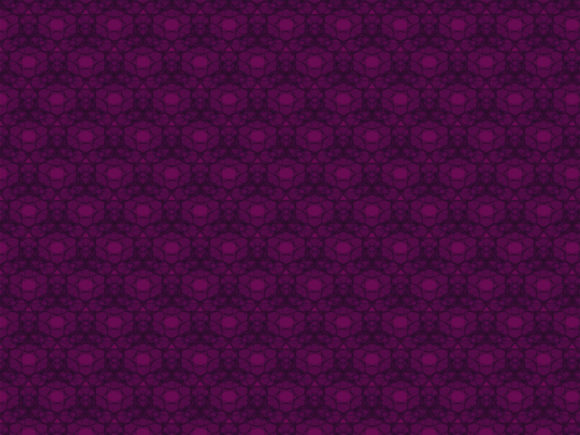
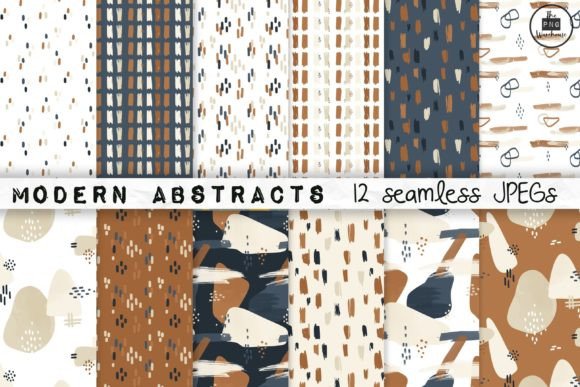
- “More detail is always better.” Overly complex patterns can overwhelm layouts or clash with typography. Professional-grade collections prioritize design intention: some patterns are intentionally minimal (blank backdrops with micro-texture), others richly layered (abstract compositions with depth and movement). Context determines what’s “right”—not just resolution.
- “Patterns are only for decoration.” In fact, they’re functional tools: guiding user attention in UI mockups, establishing rhythm in editorial spreads, or even improving accessibility through contrast-enhancing backgrounds in data visualization.
How These Patterns Fit Into Modern Creative Workflows
Today’s designers juggle tight deadlines, multi-channel deliverables, and evolving client expectations. High-resolution background patterns streamline collaboration and reduce technical friction:
- Design system integration: Easily incorporated into Figma, Adobe XD, or Sketch libraries as reusable components—ensuring consistency across app interfaces, pitch decks, and packaging mockups.
- Print production readiness: 300 ppi eliminates last-minute “resolution check” panic before sending files to commercial printers—especially vital for short-run packaging or limited-edition merchandise.
- Cross-disciplinary reuse: A single pattern may begin as a label background, inspire a textile repeat for apparel, then reappear as a subtle overlay in a brand’s Instagram story template.
Moreover, these assets support sustainable design practices. Instead of commissioning custom illustrations for every project, designers leverage ethically sourced, royalty-free patterns—reducing time, cost, and environmental impact associated with repeated photo shoots or illustration briefs.
Choosing the Right Pattern: Beyond Aesthetics
When selecting background patterns, consider three core criteria:
- Intent: Is the goal to calm (soft gradients), energize (dynamic line work), or authenticate (hand-drawn textures)?
- Context: Will it sit behind body text? Frame a product shot? Cover a 3D packaging mockup? Test visibility and legibility early.
- Technical fit: Confirm seamless tiling capability (if needed), color mode (CMYK for print, RGB for screen), and embedded ICC profiles for color accuracy.
The 18,000 px collection excels here—offering curated categories like abstract form, organic texture, geometric line, and minimalist surface, each optimized for real-world application—not just visual appeal.
Final Thoughts: Patterns as Purposeful Design Infrastructure
Background patterns are not afterthoughts. They’re infrastructure—quiet, consistent, and deeply functional. Whether you’re developing a premium coffee brand’s entire packaging suite, designing immersive exhibition graphics, or crafting heartfelt handmade stationery, having access to rigorously crafted, ultra-high-resolution patterns means spending less time troubleshooting specs and more time solving visual problems.
As design continues to blur boundaries between digital, physical, and experiential spaces, versatility, fidelity, and intentionality aren’t luxuries—they’re necessities. And a thoughtfully engineered 18,000 × 18,000 px, 300 ppi background pattern library delivers exactly that: creative freedom grounded in technical excellence.
Explore how these patterns can transform your next project—from concept to shelf, screen to surface.