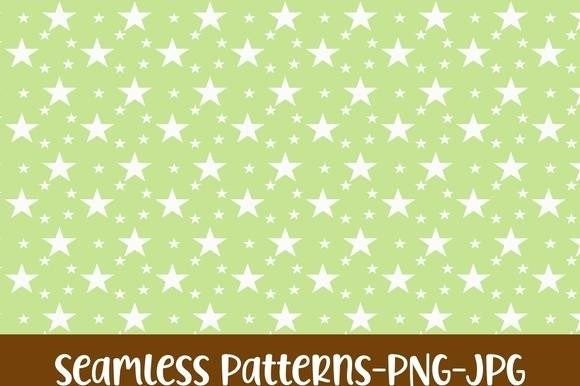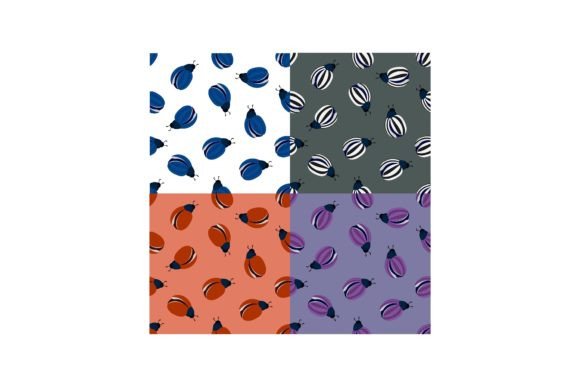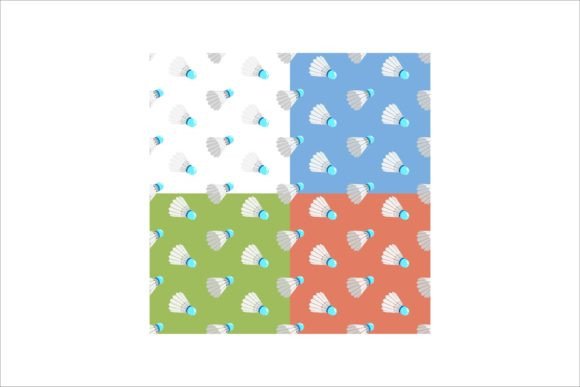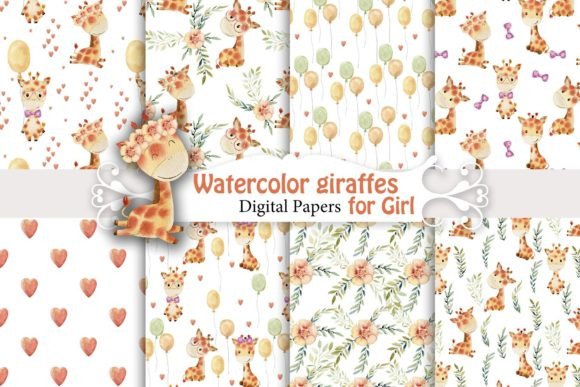
Seamless Patterns with Half Moon, Stars
Imagine opening a design file and instantly recognizing the quiet magic in its rhythm—the soft curve of a half moon cradling tiny, hand-drawn stars, repeating flawlessly across fabric, paper, or screen. That’s the quiet power of Seamless Patterns with Half Moon, Stars: not just decorative motifs, but thoughtfully crafted, repeatable compositions that breathe cohesion into creative work.
Why Hand-Drawn Seamless Patterns Feel Different
Unlike rigid vector repeats or algorithm-generated tiles, hand-drawn seamless patterns carry subtle imperfections—slight variations in star size, gentle line weight shifts in the half moon’s arc, organic spacing that mimics natural cadence. These qualities make them especially effective for tactile applications like fabric printing or scrapbooking, where warmth and authenticity matter. When printed on cotton voile or pressed onto kraft paper, these patterns don’t shout—they invite closer looking, slower handling, and emotional resonance.
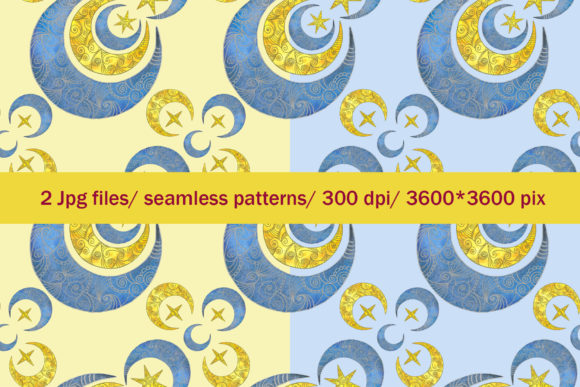
The inclusion of two distinct background color options—say, a deep indigo and a warm oatmeal—adds immediate practical flexibility. You’re not choosing between “light” or “dark” as abstractions; you’re selecting a mood, a contrast ratio, a compatibility with existing palettes. A half moon pattern on indigo grounds feels celestial and grounded; the same motif on oatmeal reads earthy and nostalgic—ideal for baby shower stationery or botanical-themed apparel.
Fabric Design: Where Flow Meets Function
For textile designers and small-batch apparel makers, Seamless Patterns with Half Moon, Stars eliminate guesswork at the print stage. Because they’re truly seamless—no visible seams, no pixelated joins—they scale cleanly from a 4-inch swatch to a 60-inch bolt without distortion or manual tiling. This saves hours in prepress review and avoids costly reprints due to misaligned repeats.
Consider a children’s sleepwear line: soft cotton with a subtle half moon and stars repeat in muted navy on ivory. The pattern’s gentle repetition supports visual calm—a functional benefit backed by early childhood design research on low-stimulation textiles. Meanwhile, the hand-drawn quality ensures it stands apart from mass-produced cartoon prints, helping independent brands communicate care and intentionality without saying a word.
Scrapbooking & Paper Crafts: Storytelling Through Subtlety
In scrapbooking, background patterns do more than fill space—they frame memory. A hand-drawn half moon and stars pattern works beautifully as a journaling card base, a photo mat border, or even a subtle watermark layer beneath handwritten captions. Its organic flow complements analog tools: fountain pen ink doesn’t fight the lines, and watercolor washes settle gently into the negative space around each motif.
Having two background colors means one file serves dual purposes. Use the lighter version under photos for clarity and contrast; switch to the darker variant for moody, evening-themed layouts—like documenting stargazing trips or summer solstice celebrations. No need to hunt for matching tones across separate downloads. Everything aligns—literally and aesthetically.
Designers Who Benefit Most
- Indie fabric printers who manage their own repeat testing and need predictable, production-ready files.
- Scrapbook educators creating printable kits—these patterns offer consistent branding across lesson handouts, student templates, and digital overlays.
- Stationery entrepreneurs developing themed collections (e.g., “Night Sky” wedding suites) where cohesive texture across envelopes, liners, and thank-you cards strengthens perceived value.
- Educators and therapists using tactile materials—repetitive, non-distracting patterns like these support focus during journaling or sensory integration activities.
Where These Patterns Fit—and Where They Don’t
These Seamless Patterns with Half Moon, Stars excel in contexts valuing subtlety, repetition, and human-centered texture. They’re ideal for backgrounds, linings, wrapping paper, and UI elements where visual noise must stay low. But they aren’t built for bold focal graphics—don’t expect them to serve as standalone logos or large-scale murals without thoughtful adaptation.
If your project demands ultra-high-contrast geometry (think neon triangles on black), or photorealistic detail (e.g., constellations mapped to actual star positions), this set won’t meet those needs—and that’s intentional. Its strength lies in restraint: a limited motif vocabulary used with precision. Think of it as the well-chosen serif font in a typographic system—not flashy, but foundational.
Getting the Most From Two Background Options
The dual-color approach isn’t just convenience—it encourages intentional decision-making. Before applying either version, ask: What feeling should this surface evoke? What will sit on top of it? For example:
- A light-background pattern pairs well with dark ink, charcoal sketching, or richly saturated photos—ensuring legibility and depth.
- A dark-background pattern shines with metallic foil accents, white gel pens, or delicate lace overlays, creating layered dimensionality.
Test both on your intended substrate first. Cotton duck fabric absorbs dye differently than linen blend—we recommend ordering physical swatches if producing at scale. Likewise, some matte scrapbook papers mute fine line detail; a quick print test reveals whether star points hold crispness or soften pleasingly.
Supporting Creative Confidence—Not Just Output
Many creators hesitate to use patterns because they fear “getting the repeat wrong,” or worry about clashing with other elements. With Seamless Patterns with Half Moon, Stars, that friction drops. The hand-drawn aesthetic inherently forgives minor mismatches. Its modest scale (neither overwhelming nor vanishing) gives room to experiment—try rotating the tile 15 degrees for a dynamic slant, or overlaying it at 30% opacity for texture without dominance.
This isn’t about adding another asset to your library. It’s about reducing cognitive load so you spend less time troubleshooting alignment and more time refining meaning—whether that’s stitching a quilt that tells a family story, designing packaging that reflects slow-living values, or building a presentation deck where every slide feels quietly unified.
A Note on File Use & Adaptation
These patterns are delivered in high-resolution PNG and scalable SVG formats—meaning you can adjust color directly in design software without losing fidelity. Want the half moon in sage and stars in clay? Easy. Prefer tighter spacing? Adjust the tile size in Illustrator or Affinity Designer using built-in pattern tools. Just remember: the hand-drawn charm lives in the original line work, so avoid aggressive sharpening or auto-trace functions that flatten nuance.
They’re also compatible with common print-on-demand platforms (like Spoonflower or Printful), provided you follow each service’s DPI and bleed requirements. Always check tile dimensions against your product’s repeat constraints—some scarves require 24-inch repeats, while greeting cards may only need 6 inches.
Ultimately, Seamless Patterns with Half Moon, Stars offer something increasingly rare: design infrastructure that feels personal. Not trendy. Not generic. Not overly polished—but quietly capable, deeply adaptable, and consistently humane in execution. Whether you’re cutting fabric for your first capsule collection or gluing down memories in a handmade album, these patterns don’t distract from your voice—they help it land with clarity and calm.